Monday, October 13, 2014

Transmedia Remix/Composition

 "Better is a rotten apple kept out of the batch than one that rots the rest." 


\


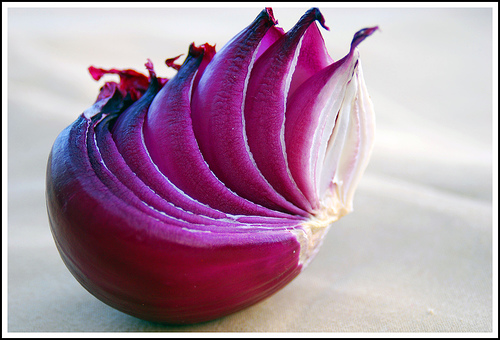
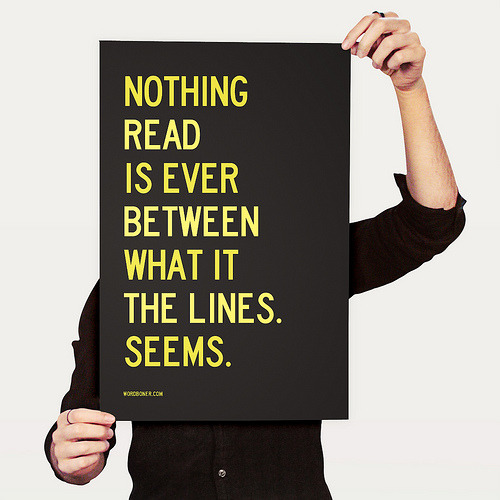
 The apprentice did get fired for stealing so I asked myself what brought him to the point of doing that. How is it that that he became that way enough to lead him to a gambling addiction. He lost everything to someone who was like himself. Chaucer wants us to look deeper into the story so we can know the reason for it. What basic need did he not receive because he doesn't seem to have good morals.I feel that we all do have a good side and a bad one, but we are able to identify ourselves by the choices we make, but all of us make bad choices once in a while which makes us human and in this case fish ( basic human needs make us equal). The last picture is manly to just bring the main point back which was that we are different to a certain point and can be totally contradictory to who we think we are and who we truly are, until we peel back the layers.
I chose the video because while i was looking for pictures this video popped up and after watching it I thought it went well with what Chaucer was trying to represent.

Transmedia Draft


I would like to start it with the apprentice and his reasons for being fired and even though he was supposed to be an apprentice he neglected his duties and even stole from his boss, which is why I put the second picture also to explain that Chaucer wants us to look deeper into the story so we can know the reason for it. The fish can be interpreted in many ways but I feel that we all do have a good side and a bad one, but we are able to identify ourselves by the choices we make, but all of us make bad choices once in a while which makes us human and this case fish ( basic human needs make us equal). The last picture is manly to just bring the main point back which was that we are different to a certain point and can be totally contradictory to who we think we are and who we truly are, until we peel back the layers.

CANTERBURY OUTLINE


THE POINT OF CANTERBURY TALES IS...

Chaucer's Canterbury tales are used to bring many different aspects to a character which may represent vices and virtues of human nature. It shows the underlying layers of people and yet how similar they can be because of their basic human needs.

Thursday, October 9, 2014

GREEN EGGS & HAMLET

 a) What do you know about Hamlet, the "Melancholy Dane"?
 Honestly I don't know anything about Hamlet other than the very famous phrase," to be or not to be."

b) What do you know about Shakespeare? 
 I know  Shakespeare was a poet. playwright and actor. His early works consisted of comedies. which practically means that characters didn't die. Then he began writing tragedies after having certain hardships in his life. I don't remember exactly what they were,but that's basically what I remember.

c) Why do so many students involuntarily frown when they hear the name "Shakespeare"?
 Well I don't know why other people frown when they hear the name "Shakespeare" but I frown because it's  hard for me to understand him sometimes.

d) What can we do to make studying this play an amazing experience we'll never forget?
 I think this lesson can become more memorable if we were to do videos on sections of the story or actually act out the play, because it would make it fun and entertaining.

Wednesday, October 8, 2014

Vocabulary #5

shenanigans- noun secret or dishonest activity or maneuvering; silly or high-spirited behavior; mischief
ricochet - noun a glancing rebound; verb spring back; spring away from an impact
schism - noun division of a group into opposing factions; the formal separation of a church into two churches or the withdrawal of one group over doctrinal differences
eschew - verb avoid and stay away from deliberately; stay clear of
plethora - noun extreme excess
ebullient - adj. joyously unrestrained
garrulous - adj. full of trivial conversation
harangue - noun a loud bombastic declamation expressed with strong emotion; verb deliver a harangue to; address forcefully
interdependence - noun a reciprocal relation between interdependent entities (objects or individuals or groups)
capricious - adj. determined by chance or impulse or whim rather than by necessity or reason; changeable
loquacious - adj. full of trivial conversation
ephemeral - adj. lasting a very short time; noun anything short-lived, as an insect that lives only for a day in its winged form
inchoate - adj. only partly in existence; imperfectly formed
juxtapose - verb place side by side
perspicacious - adj. acutely insightful and wise; mentally acute or penetratingly discerning
codswallop - noun nonsensical talk or writing
mungo- noun cloth made from recycled woven or felted material
sesquipedalian- adj. (of a word) polysyllabic; long; characterized by long words; long-winded
wonky - adj. inclined to shake as from weakness or defect; turned or twisted toward one side
diphthong - noun a vowel sound that starts near the articulatory position for one vowel and moves toward the position for another


Thursday, October 2, 2014

TALE OF A CANTERBURY TALE

The Cook's Tale: Prologue

The Cook was pleased by Reeves tale. Then said that the miller got what he deserved and quotes Solomon's works to back up his opinion that its dangerous to let someone stay in your home. The host refers to the Cook as Roger and tells him to make the story good so it can be entertaining.  I think the host tells the Cook not to get offended  by his playful critics, yet there might be some underlying truth. The Cook then tells the Host that the story will be about a hosteler (someone that lodges guests ).

The Cook's Tale:

An apprentice with the name of Perkin Reveler  was learning victuals (food) trade. He was brown, happy and a dancer. At every wedding he would sing and dance. He would also drink beer than work in the shop. If there was a festival he wouldn't leave until he saw everything and was able to dance himself. Then he would meet up with people and gamble . Then his boss /master noticed that he had been stealing money to use in parties, women, and gambling. So his master/ boss decided to relieve the apprentice of his agreement, and sent him off with a "Good riddance!" Since the apprentice wasn't able to steal anymore he had no money and lost his things to someone like him; whom happened to have a wife that was only for appearances. 

1) Perkin Reveler, the apprentice is the main character. 
  • "Blithely he'd cavort Like a finch in the wood"
  •  "He loved the tavern better than the shop"
  •  "And he was free In what he spent--his master easily Had learnt this in the shop, for that is where He often found his box completely bare."
  •    "  "A rotten apple's better thrown away Before it spoils the barrel." "
  •   "He sent his bed and clothes without delay To a compeer, a chap of his own sort Who loved to dice, to revel and disport"
 These indirect characterizations give you the idea of how the apprentice was and his morals. He took on life with ease and with no concern for others only for himself, and how he could have a good time without having to lift a finger 

2)Chaucer's purpose for this story was to make people aware that nothing in life is free and if you are cheating through life by living off of others; then life is going to get you back and sometimes it'll give you a taste of your own medicine.